


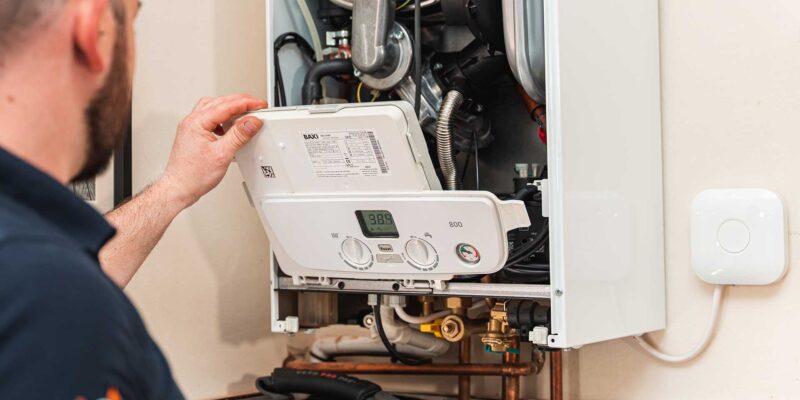
Central heating systems play a vital role in keeping our homes warm and comfortable during the colder months. However, like any complex system, they can occasionally experience problems.
When your central heating malfunctions, it can be frustrating and inconvenient. The good news is that many issues can be resolved without professional assistance.
In this blog post, we will explore some common central heating problems, and their potential causes, and provide troubleshooting tips to help you identify and rectify the issues.
No Heat or Insufficient Heat
One of the most common central heating issues is when the system fails to produce any heat or only provides insufficient warmth. Several potential causes could be behind this problem.
- First, check if the thermostat is set to the desired temperature and in heating mode. If it is, verify that the thermostat’s batteries are not depleted.
- Next, examine the circuit breaker or fuse box to ensure that power is reaching the heating system. If the breaker has tripped or the fuse has blown, reset or replace it as necessary.
- Additionally, inspect the pilot light (if applicable) and ensure it is ignited. If the pilot light is out, follow the manufacturer’s instructions to relight it.
If these steps do not resolve the issue, it could be due to a faulty motorised valve, an airlock in the system, or a malfunctioning pump. In such cases, it is advisable to seek professional assistance.
Uneven Heating or Cold Spots
Uneven heating or the presence of cold spots in different areas of your home can make the indoor environment uncomfortable. This issue can stem from various sources. Begin by checking if all the radiator valves are fully open. Sometimes, valves can accidentally get closed, limiting the heat distribution.
Another potential cause is trapped air within the radiators. To address this, bleed the radiators by using a radiator key to open the bleed valve and release any trapped air. Ensure you have a cloth or towel handy to catch any water that may escape.
If the issue persists, it could be due to a blocked or dirty central heating system. Sludge and debris can accumulate over time, hindering the circulation of hot water. Consider power flushing the system or seek professional assistance to clean the system thoroughly.
Noisy Central Heating System
A noisy central heating system can be bothersome and indicate an underlying problem. If you hear banging or knocking sounds, it may be due to the expansion and contraction of pipes as the system heats up and cools down. This issue can be resolved by insulating the pipes with foam or other suitable materials to reduce noise.
Gurgling or bubbling sounds often indicate trapped air within the system. Bleeding the radiators, as mentioned earlier, can help alleviate this issue.
Persistent rumbling noises may suggest that the central heating system’s water pressure is too high. Check the pressure gauge on the boiler and ensure it is within the recommended range. If not, refer to the manufacturer’s instructions on adjusting the pressure.
If the noise persists or is accompanied by other issues, such as leaks or decreased heating efficiency, it is advisable to consult a professional to diagnose and resolve the problem.
Maintaining a properly functioning central heating system is essential for a comfortable home environment. By understanding common central heating problems and their troubleshooting techniques, you can save both time and money by resolving minor issues yourself.
Remember, safety is paramount, so always exercise caution and consult a professional if you encounter a problem that you are not confident in addressing. With the troubleshooting tips provided in this blog post, you can increase your knowledge and confidence in dealing with central heating issues, ensuring a warm and cosy home throughout the colder seasons.
For help and advice, reach out to the PlumbGas team.