


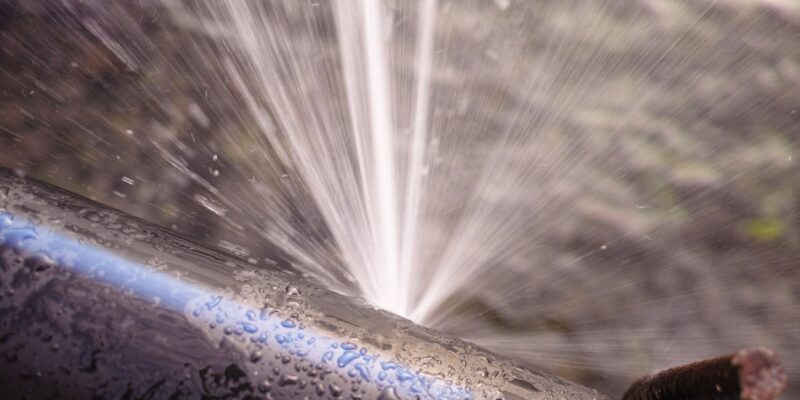
When plumbing emergencies strike, the damage can escalate quickly, making it essential to know how to respond before the professionals arrive. Here’s a guide on what to do in some of the most common emergency plumbing situations to help mitigate damage and ensure safety.
Related Article: The Importance of Regular Boiler Maintenance
Related Article: Dealing with Common Plumbing Issues: What You Need to Know
1. Burst Pipes
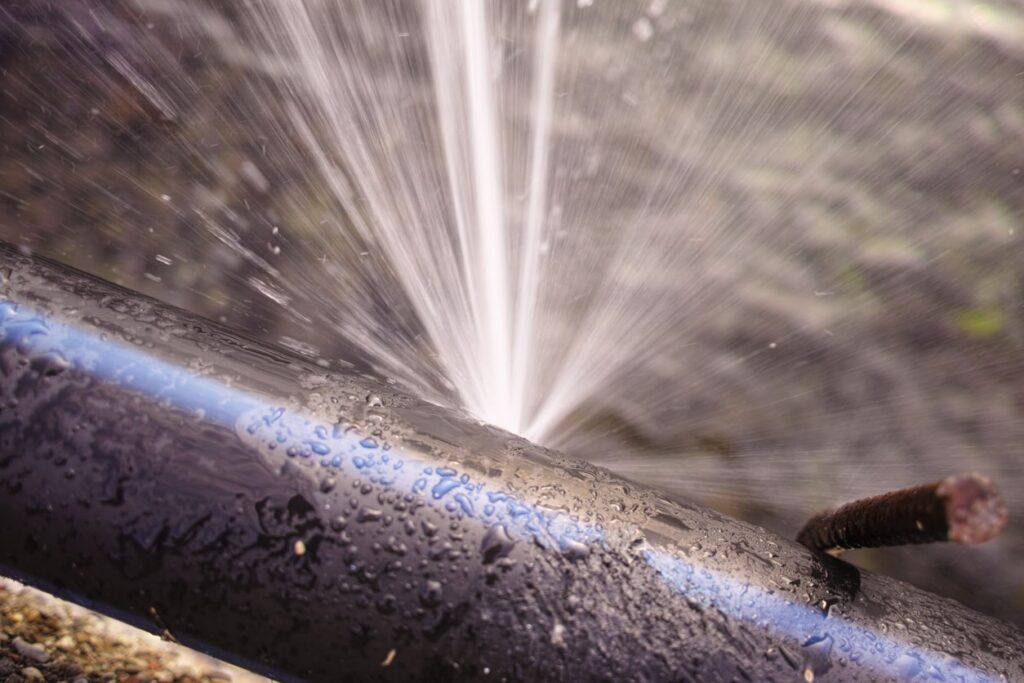
Immediate Actions:
- Shut Off the Main Water Supply: The first step is to stop the water flow by turning off the main valve. This valve is typically located near the water meter.
- Drain the System: Open all cold water taps and flush the toilets to drain the system and reduce the water in the pipes.
- Turn Off the Heating System: If you have a boiler or water heater, turn it off to prevent damage.
- Locate and Isolate the Burst Pipe: If possible, identify the burst section and try to isolate it by closing any nearby valves.
Temporary Fix:
Apply a Pipe Clamp or Rubber Patch: Use a pipe clamp or wrap a piece of rubber around the burst area and secure it with a clamp to reduce leakage.
2. Blocked Drains
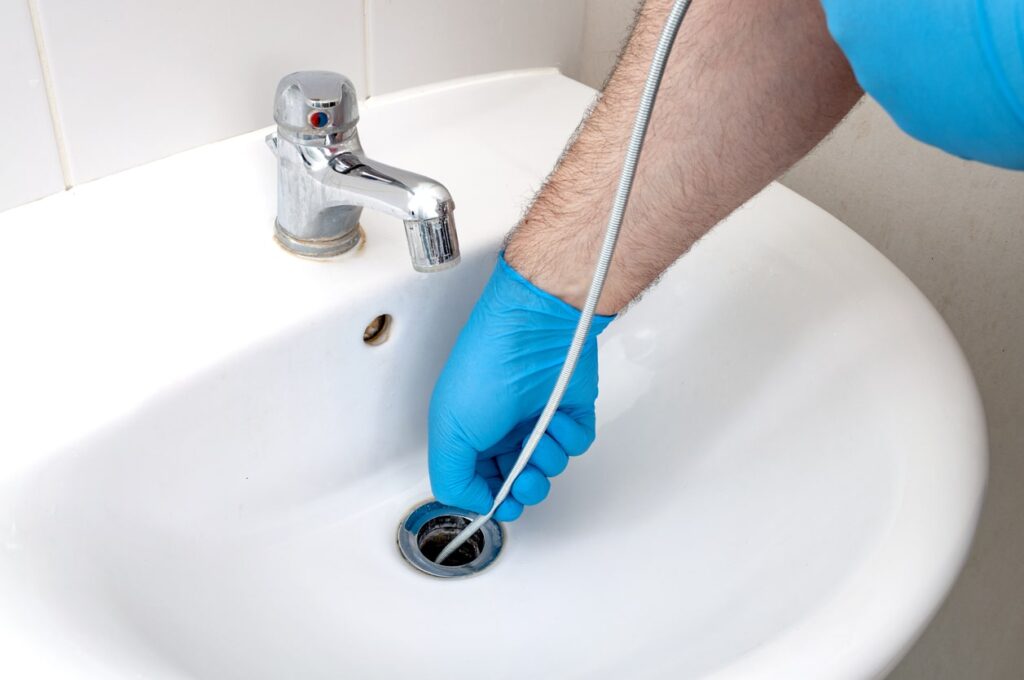
Immediate Actions:
- Stop Using the Drains: Avoid using sinks, showers, or toilets to prevent worsening the blockage.
- Remove Standing Water: If possible, use a bucket to remove any standing water.
- Check for Visible Blockages: Inspect the drain for any visible obstructions and remove them manually if possible.
Temporary Fix:
- Use a Plunger: Create a seal around the drain with a plunger and push and pull to try and dislodge the blockage.
- Try a Drain Snake: A drain snake can be inserted into the drain to break up or retrieve the blockage.
3. Overflowing Toilet
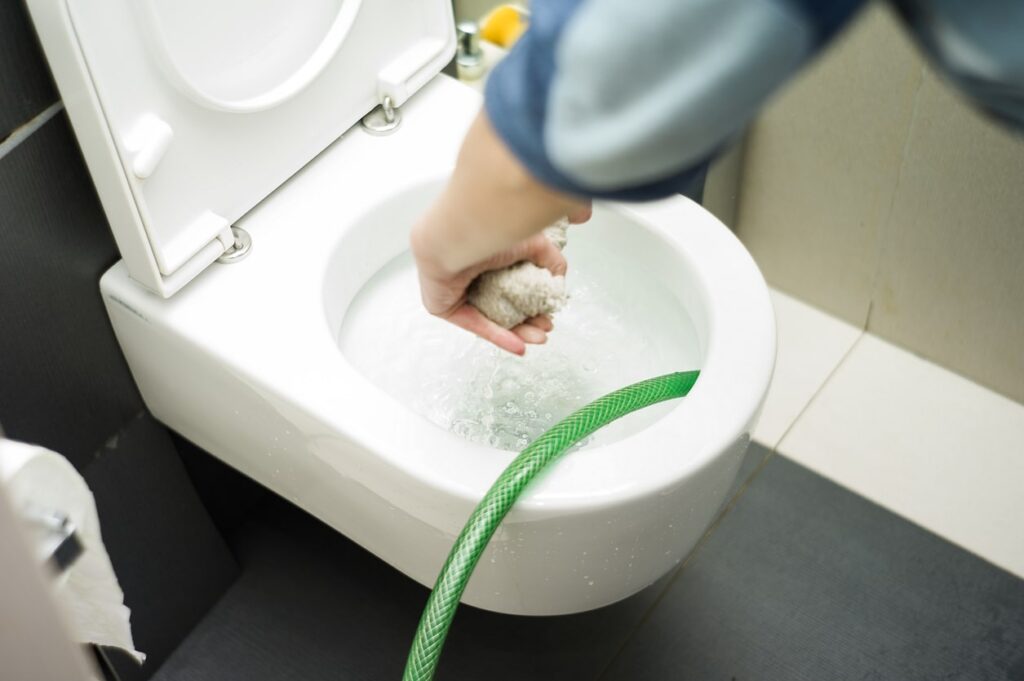
Immediate Actions:
- Turn Off the Toilet’s Water Supply: Locate the shutoff valve behind the toilet and turn it off to stop the flow of water.
- Remove Excess Water: Use a bucket to remove excess water from the toilet bowl to prevent overflow.
Temporary Fix:
- Use a Plunger: Attempt to clear the blockage with a plunger. Ensure you have a good seal and use a gentle but firm motion.
- Try a Plumbing Snake: Insert a plumbing snake into the toilet to break up the clog.
4. Leaking Water Heater
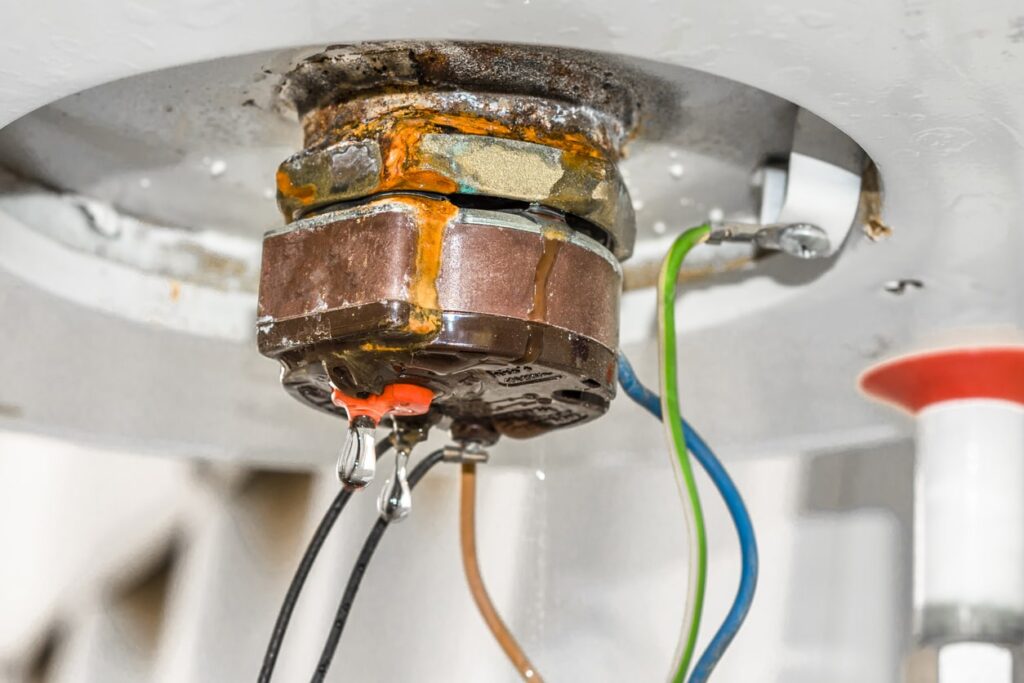
Immediate Actions:
- Turn Off the Power Supply: If you have an electric water heater, turn off the power at the circuit breaker. For gas heaters, turn off the gas supply.
- Shut Off the Water Supply: Locate the water shutoff valve on the water heater and turn it off to stop further water flow.
Temporary Fix:
Drain the Water Heater: Attach a hose to the drain valve at the bottom of the tank and drain the water into a floor drain or outside to prevent flooding.
5. Gas Leaks
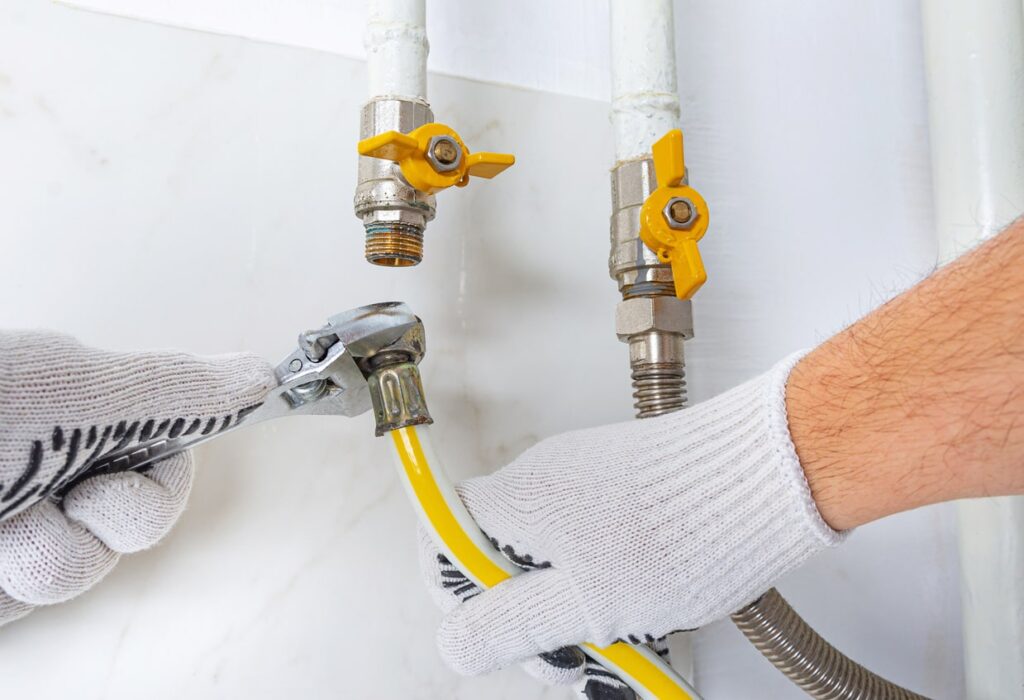
Immediate Actions:
- Turn Off the Gas Supply: Locate the main gas shutoff valve, usually found near the gas meter, and turn it off.
- Ventilate the Area: Open windows and doors to allow gas to dissipate.
- Evacuate Immediately: Leave the premises and call emergency services or your gas provider from a safe location.
General Tips for All Emergencies
- Stay Calm: Panicking can make the situation worse. Take a deep breath and follow these steps methodically.
- Avoid Using Electrical Appliances: In the case of water-related emergencies, avoid using electrical appliances to prevent electric shock.
- Know Your Emergency Contacts: Have the contact details of reliable plumbers and emergency services handy.
By taking these immediate actions, you can significantly reduce the damage caused by plumbing emergencies and ensure the safety of your home and family. Remember, these are temporary measures, and professional plumbers should be contacted to provide a permanent fix.
Contact us today to schedule an appointment or request emergency assistance.