


Water is an essential resource for our daily lives, used for everything from drinking to cleaning. However, not all water is created equal. In the UK, many households face the challenge of hard water. But what exactly is hard water, and how does it impact plumbing systems?
This blog post delves into the effects of hard water on your plumbing and offers solutions to mitigate its impact.
Related Article: How Often Should your Boiler be Serviced?
Related Article: Dealing with Common Plumbing Issues: What You Need to Know
Understanding Hard Water
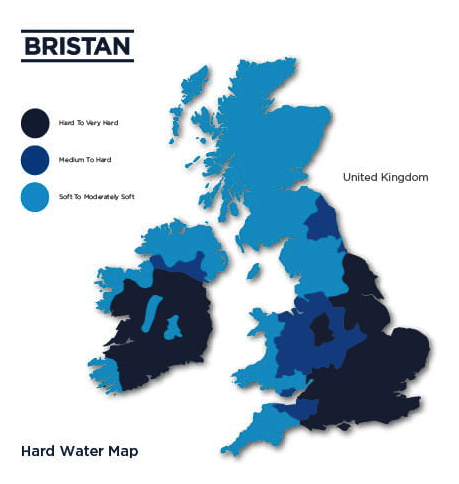
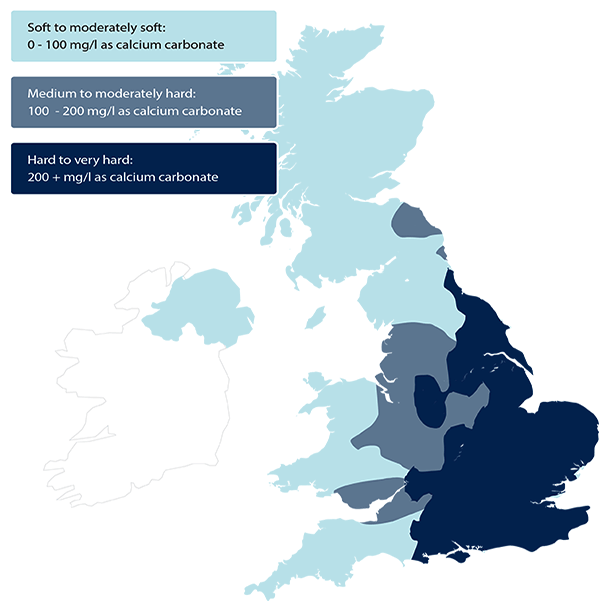
Hard water contains high levels of dissolved minerals, primarily calcium and magnesium. These minerals are picked up by water as it percolates through limestone and chalk deposits in the earth. While hard water is not harmful to health, it can wreak havoc on plumbing systems and household appliances.
The Effects of Hard Water on Plumbing Systems
- Scale Buildup in Pipes
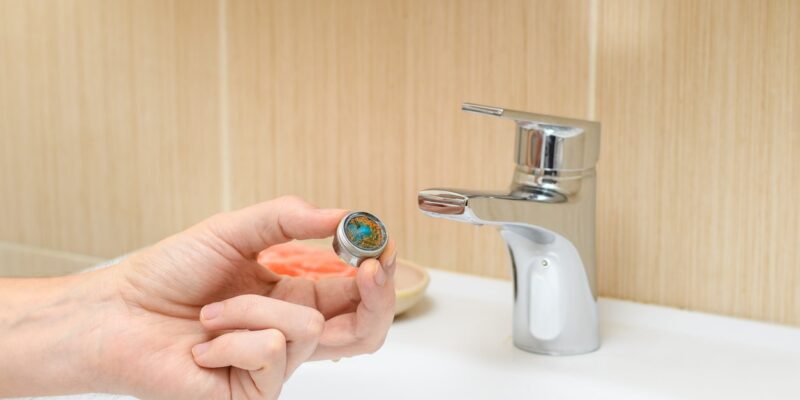
- Formation of Limescale: As hard water flows through pipes, the dissolved minerals precipitate out and form limescale, a hard, chalky deposit. Over time, limescale accumulates on the inner surfaces of pipes, reducing water flow and increasing the pressure on the plumbing system.
- Clogged Pipes: In severe cases, limescale can completely clog pipes, leading to reduced water pressure and potentially costly repairs.
- Damage to Water Heaters and Boilers
- Reduced Efficiency: Limescale buildup inside water heaters and boilers insulates the heating elements, causing them to work harder and less efficiently. This not only increases energy consumption but also shortens the lifespan of these appliances.
- Frequent Repairs: Hard water can cause components such as heating elements and pumps to fail prematurely, leading to more frequent repairs and replacements.
- Impact on Appliances
- Shortened Lifespan: Appliances like dishwashers, washing machines, and kettles are also affected by hard water. The limescale buildup can reduce their efficiency and lifespan, leading to increased maintenance and replacement costs.
- Increased Detergent Use: Hard water reduces the effectiveness of soaps and detergents, necessitating the use of more products to achieve the same level of cleanliness.
- Aesthetic and Maintenance Issues
- Stains and Deposits: Hard water leaves unsightly stains and deposits on fixtures, faucets, and sinks. These can be difficult to remove and often require special cleaning products.
- Frequent Cleaning: The buildup of limescale means that fixtures and appliances require more frequent and intensive cleaning, adding to the household workload.
Solutions to Mitigate Hard Water Effects
- Water Softeners
- Ion Exchange Softeners: These devices replace calcium and magnesium ions in the water with sodium or potassium ions, effectively softening the water. Installing a water softener can significantly reduce limescale buildup and extend the life of plumbing and appliances.
- Salt-Free Water Softeners: These systems use a different technology to alter the structure of the minerals, preventing them from forming scale. While not as effective as traditional softeners, they require less maintenance.
- Regular Maintenance
- Descaling: Regularly descaling appliances and fixtures can help manage limescale buildup. Products designed for descaling can be used to clean kettles, coffee makers, and other small appliances.
- Professional Inspections: Having your plumbing system inspected by a professional can identify and address scale buildup before it becomes a major issue.
- Alternative Cleaning Products
- Vinegar and Lemon Juice: These natural acids can be used to clean limescale deposits on fixtures and appliances. Regular use can help prevent the buildup of hard water stains.
- Routine Flushing
- Water Heater Flushing: Regularly flushing your water heater can remove sediment and limescale buildup, improving efficiency and extending the lifespan of the appliance.
Final Words
While hard water is a common issue in many households, understanding its impact on plumbing systems is the first step towards mitigating its effects. By investing in water-softening solutions and adopting regular maintenance practices, you can protect your plumbing and appliances from the damaging effects of hard water. Not only will this save you money in the long run, but it will also ensure a more efficient and reliable plumbing system for your home.
By taking proactive measures, you can combat the challenges posed by hard water and maintain a healthy and efficient household plumbing system.
Book a professional plumbing inspection today to identify and address any issues caused by hard water.